
Displayed VAT or VAT paid on a boat: what they mean and how they affect the purchase
Two technical expressions that every buyer and seller should know before signing the sales contract
Introduction
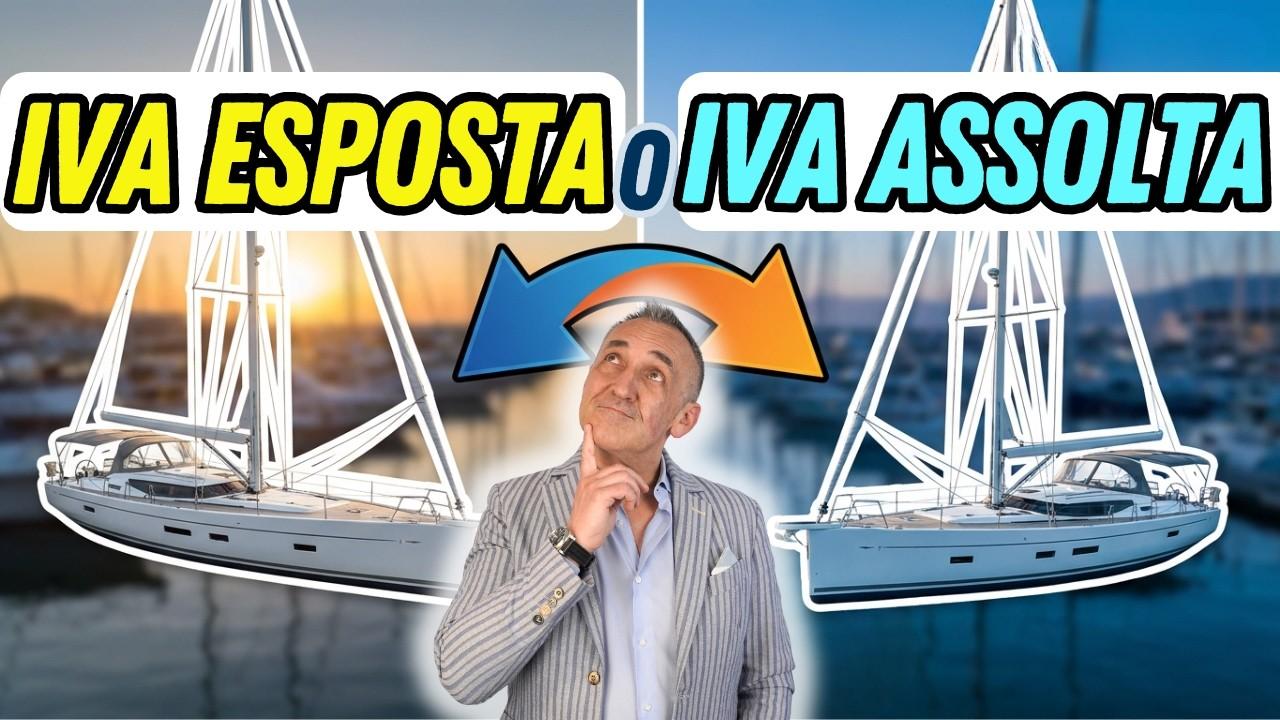
Among the most common — and often misunderstood — terms in yacht sales are "Displayed VAT" and "VAT paid". Expressions that seem similar, but indicate very different tax situations, with concrete consequences for those looking to buy a used boat. The video "What Does DISPLAYED VAT or VAT PAID on a BOAT Mean?" by Abayachting clarifies this technical aspect in a practical way, helping buyers and sellers navigate the sale of vessels with awareness.
What does "VAT paid" mean on a boat
A boat with VAT paid is a vessel for which the value-added tax has already been fully paid within the European Union. This means that, in general, the vessel can freely navigate in EU waters without further tax obligations related to VAT. For those looking to buy a used boat, VAT paid represents a condition of greater tax peace of mind.
What does "Displayed VAT" mean on a vessel
"Displayed VAT" refers to a boat for which the tax has not yet been paid, or whose tax position is not entirely clear or documented. In these cases, the buyer of the vessel may find themselves needing to regularise the tax position after the purchase, with an additional cost to factor into the overall price of the used boat.
Why this distinction changes the value of the boat
A boat with unpaid VAT effectively has a different commercial value compared to a compliant vessel, because the buyer will need to consider the potential tax to be paid. This is an element that must be discussed and clarified before formalising any purchase offer, to avoid misunderstandings that could compromise the yacht sale at an advanced stage of negotiations.
How to verify the tax position of a used boat
Verifying the VAT position involves checking the customs and tax documentation of the vessel: invoices, import declarations, any certificates of VAT payment in other EU countries. This is a check that should always be entrusted to someone with specific expertise in the matter — a yacht broker or an expert consultant in boat sales — to avoid misinterpretations that could be costly for the buyer.
The role of the broker in the secure sale of vessels
Relying on a yacht brokerage agency like Abayachting means being able to count on a prior verification of the tax position of the boat, both during the purchase and the sale phases. This documentary transparency protects both parties and makes the sale of the vessel smoother, safer, and faster.
Conclusion
Understanding the difference between displayed VAT and VAT paid is essential for approaching the sale of a boat with awareness, whether you are buying or selling a vessel. Watch the complete video by Abayachting to delve deeper into this tax topic and understand how to protect yourself in the purchase or sale of your boat.
The next step
Find the right boat for you
Weigh up the running costs and let a dedicated broker guide you, from search to signature.
Get our guides and the newest boats
One email a month: the best articles and the boats just added to the catalogue. No spam.