
Let's discover together what a natante means and all the regulations that define this type of vessel.
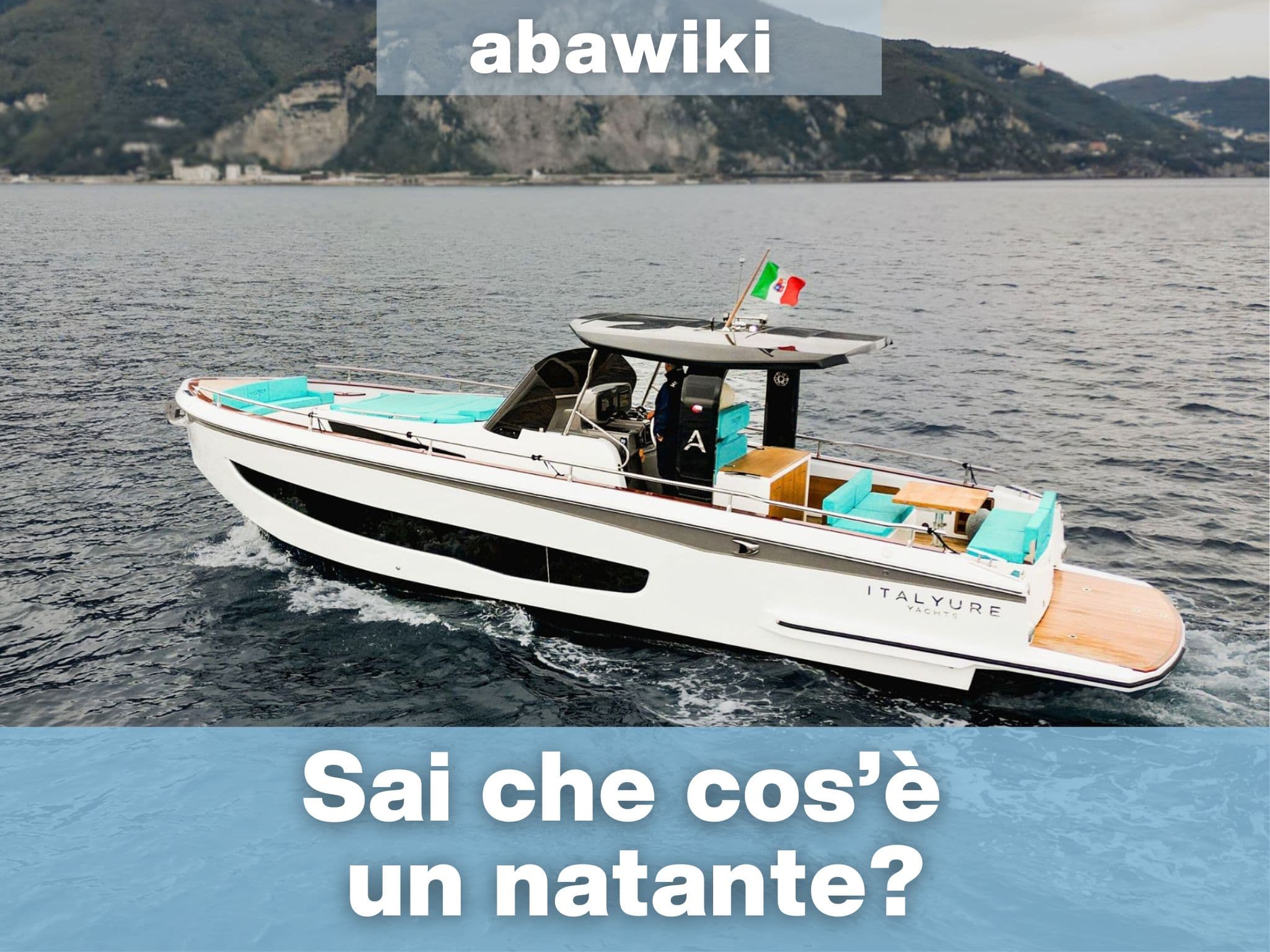
A natante is identified as a recreational boat, sometimes equipped with propulsion, whose hull length does not exceed 10 metres. This measurement is calculated according to the harmonised standards EN/ISO/DIS 8666. The natante is a specific category that is recognised only within Italian law, distinguishing itself from other vessels due to certain peculiar exemptions and limitations.
From a legislative perspective, natantes are exempt from the obligation to register in the Recreational Boat Register (RID), meaning they may not be registered and may not have any flag. Nevertheless, they must possess documentation certifying the engine power declaration, the CE certification, and a valid insurance policy that complies with current regulations. The latter is essential to ensure coverage in case of damage to third parties or the marine environment.
Regarding navigation, natantes are subject to specific constraints related to the distance from the coast. In accordance with European directives and CE category standards, a CE-marked natante is not subject to fixed geographical limitations but must comply with the design conditions related to its category, which are established based on the expected meteorological and marine conditions. Natantes that do not have the CE marking are limited to navigating within 12 nautical miles from the coast. This requirement is in place to ensure navigation safety and prompt assistance in case of emergencies.
In a commercial context, natantes can be used for rental and leasing activities, for recreational or tourist purposes, as well as for supporting underwater activities. However, the operational management of such activities is strictly regulated by local Port Authorities, which may impose additional rules for navigation safety and the protection of the marine environment; always check with your local port authority regarding any active restrictions.
It is important to emphasise that, in the event of a sale of a natante, the owner must be able to provide essential documents: the CE certificate, the declaration of conformity, and the power declaration (in the case of a motorboat). If proceeding with registration or a change of flag, these documents will be required to complete the registration process under the new jurisdiction. Each State establishes its own criteria and specific rules for the registration and navigation of vessels under its flag, therefore it is crucial to have a thorough understanding of the various national and international legislations to avoid non-compliance. In summary, if you are about to purchase a natante, you should know that it is a type of vessel that, while operating under a lighter regulatory regime, does not evade legal responsibilities and operational practices that ensure safety and compliance in the nautical landscape!
One email a month: the best articles and the boats just added to the catalogue. No spam.
The next step
Weigh up the running costs and let a dedicated broker guide you, from search to signature.